Personalization 101: What it is, importance, and examples
Use consumer data to perfect the customer experience (CX) with personalized products, customer service, and messaging.
Mozhdeh Rastegar-Panah
Senior Director, Product Marketing
更新日 2026年4月17日
What is personalization?
Personalization is the practice of using customer data to tailor experiences, interactions, and messaging to individual needs and preferences. It helps businesses deliver support and communications that feel relevant and familiar, making customers feel understood. Personalization spans the entire customer journey, from discovery through to support and renewal.
If you’ve ever felt disappointed when someone you care about gives you a thoughtless gift (making you feel like they didn’t listen or care), you already know how important personalization is. Your customers are no different: People like knowing that somebody is paying attention to their preferences, meeting their expectations, and creating a special customer experience (CX).
In this article, we’ll explain what personalization looks like for businesses, why businesses shouldn’t underestimate its value, and how to carry out a CX personalization strategy. If you want to jump ahead, click on the section that interests you most for a quick answer.
Both personalization and customization refer to the process of making adjustments to suit individual preferences. The difference lies in who controls the change.
Personalization: Businesses use customer data to understand consumer preferences, tailor content, and personalize service.
Customization: Customers make modifications to control their own experience.
Why is personalization important?
Businesses should make an effort to personalize customer-facing content and communications. Personalization is an integral part of sales and support processes, and consumers continue to expect relevant content and contextual experiences.
Personalization is important for a few reasons:
It’s the standard across several industries. Today, personalization is everywhere, and if you aren’t offering it, customers may feel underwhelmed by your organization.
It impacts customer sentiment. Customers like to feel that the places they shop appreciate their patronage. Companies prioritizing personalization can often turn buyers into repeat customers and encourage customer loyalty.
It increases customer retention. Consumers are more likely to become repeat buyers when they receive personalized experiences; 77 percent of business leaders now recognize that more personalization leads to higher customer retention rates.
How can businesses tailor the customer experience using data?
Think about how TikTok recommends the perfect videos for you on your For You Page (FYP), how Netflix knows which shows you’ll like based on your viewing history, or how Spotify curates playlists using your listening history and information about your favorite artists.
Your business can also create a hyper-personalized customer experience for each customer by collecting certain types of customer data metrics and related CX key performance indicators (KPIs).
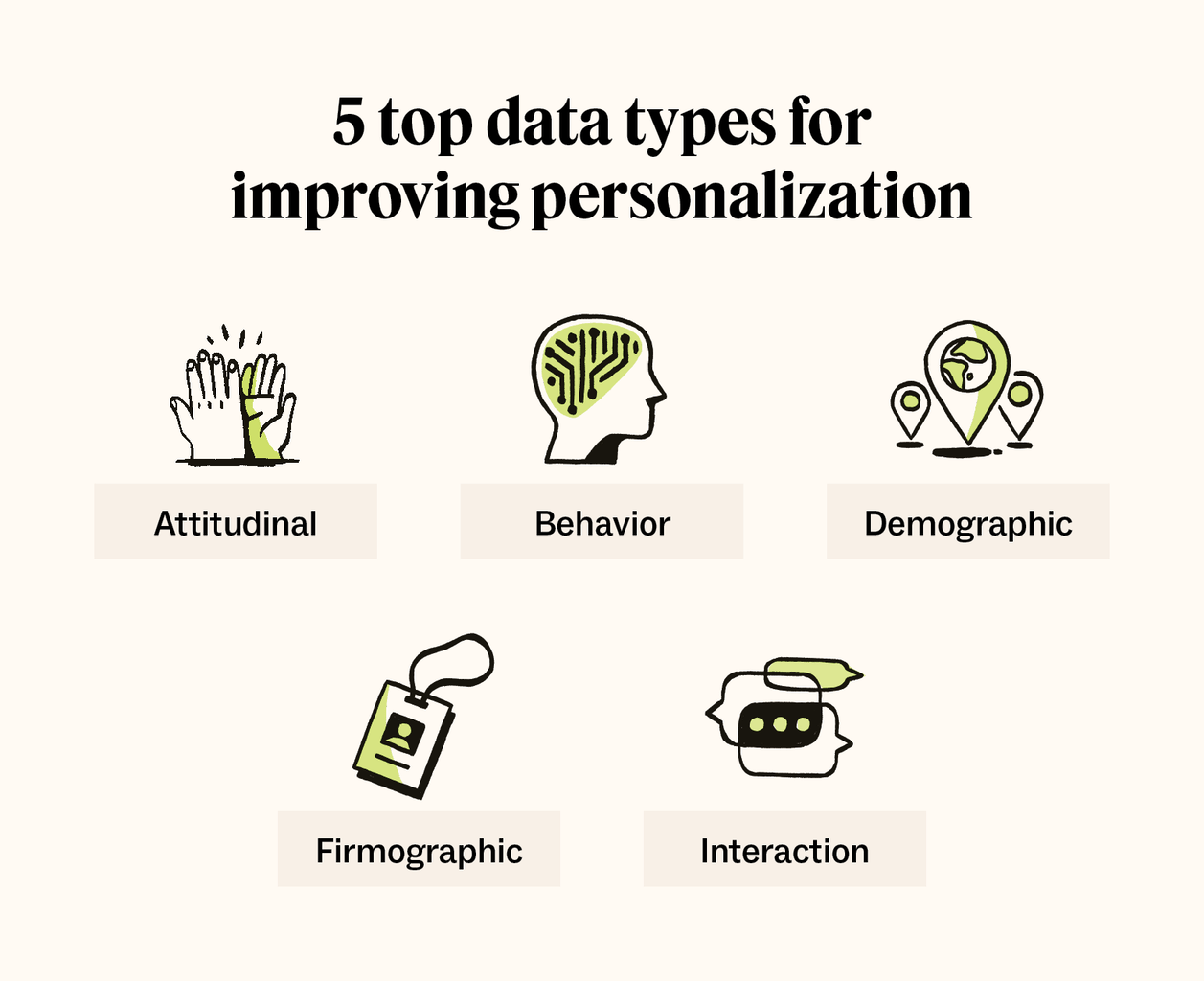
Use various types of customer data to prioritize product updates and personalize content, messaging, gifts, and sales offers.
Attitudinal: Conduct surveys and feedback forms to understand a customer’s opinions about a product or service. Use this information to brainstorm ideas for new products and upgrades.
Behavior: Track customer behaviors throughout the sales process to understand the why behind their purchase decisions. Armed with this information, implement strategies to reduce cart abandonment rates, speed up the sales journey, and encourage customers to try new products.
Demographic: Create customer segments based on age, income, relationship status, gender, education, or other personal factors. Use this information to identify segment trends and get your messaging right and give your sales team an edge.
Firmographic: Hone in on individual business leaders with data about their company’s industry, location, size, or number of customers. Share this information with your sales team so they pitch products and services to the businesses that are most likely to make a purchase.
Interaction: Monitor when and how customers interact with your product, website, or employees. Using this information, investigate service gaps and add resources that help cultivate a better CX.
How to build an effective personalization strategy: 7 best practices
Even if you apply personalization efforts to sales and support endeavors, it all boils down to marketing. Businesses must collect and analyze data to understand separate customer segments and succeed in personalizing customer experiences.
In this section, we will discuss seven considerations you should keep top of mind as you develop a personalization strategy. They include:
1. Leverage untapped service data across marketing, product, and sales
It’s easy for different departments to silo themselves (and their data) off, but personalization is most effective when the people spearheading campaigns can see the whole picture.
That’s why teams need to utilize software that stores customer data in a single, centralized location. By creating a 360 customer view, employees can access key information and personalize interactions with their customers.
Some different types of customer data that companies can and should collect include:
Personal identification (e.g., name, address, or date of birth)
Website interactions
Previous orders
Current order status
Prior customer service interactions
Device information
Payment preferences
Plan or subscription details
2. Create a plan to protect customer data privacy
Many people don’t trust big data—the collection and computational analysis of information from a myriad of sources. But data collection won’t harm a business’s reputation or sales as long as employees gather it safely and ethically.
Consumer privacy laws vary by location. But for U.S. businesses that prefer to err on the side of caution, adhere to the European Union’s more stringent guidelines—the General Data Protection Regulation (GDPR).
In the U.S., businesses must invest in security measures to protect users’ financial and healthcare data, at the minimum. For more detailed information, look up your state’s consumer data privacy laws.
Some general data privacy best practices you should follow regardless of your business or customers’ locations include:
Collecting only essential data
Encrypting sensitive information
Installing firewalls and antivirus software
Keeping your system up to date
Requiring multi-factor authentication
Posting your privacy policy prominently
Understanding what information is illegal to store
3. Provide proactive support
Resolve issues before they become problems and lead to customer churn. A major benefit of customer data is that it allows you to provide proactive support to accurately predict each customer’s unique needs for more convenience.
Personalization especially offers added value for longtime customers and those who shop with you often, racking up a large lifetime value (LTV). While many businesses wouldn’t necessarily prioritize one customer over another, these longtime customers do tend to expect businesses to anticipate and accommodate their needs with less oversight.
To prevent certain issues from escalating or ever occurring, be sure to:
Reference historical context
Review purchase history
Assess which knowledge base articles customers read
Deliver support on the platforms that specific customer or firmographic segments frequently use
Ultimately, the goal should be to recommend the most relevant resources and to check in at the right times to gauge customer sentiment.
4. Leverage customer sentiment to tailor the customer experience
Don’t just rely on raw demographic data to create unique customer experiences. Strive to understand customer feelings and opinions on an individual level. This can provide insight into what they want from a business relationship and help you support them better.
Then, use the data to personalize experiences. Some examples of this include:
Content and product recommendations
Segment-based pricing tiers
Additional payment methods and plans
User-specific interest rates
Promotional offers
Sales and support messaging
If you’re unsure of the best personalization or marketing strategy to meet your goals, consider A/B testing to flush out the best way to utilize the data.
5. Personalize support on your customers’ favorite channels
When a lead expresses clear interest in a product or service, they expect quick, personalized responses. The same goes for customers who need help using a product or troubleshooting an issue.
According to the Zendesk Customer Experience Trends Report, 59 percent of consumers want companies to utilize their available data to personalize experiences. Communication personalization can come in the form of:
Live chats
Email marketing
Surveys
Phone calls
Generally speaking, any time a customer interacts with an agent or a chatbot, businesses should consider it an opportunity for personalization.
6. Create targeted knowledge base articles
Leverage customer data and help center software like Zendesk to identify content opportunities, share useful information, and personalize knowledge base content recommendations.
To predict what information customers will benefit from, track the web pages they visit most often, the calls to action (CTAs) and interactives they click on, and the personalized email subject lines that grab their attention and lead to conversions.
All of this information is useful because it provides insight into customers’ unique needs and interests. With customer experience software, businesses can create a knowledge base for each of their brands, audiences, and regions.
You can further knowledge base personalization by:
Creating a personalized content feed based on authors, topics, and tags
Recommending content based on reading or purchase history
Writing content with specific customer segments in mind
Revamping old content to better meet user needs
Surveying customers to identify knowledge gaps
7. Personalize in a way that’s helpful for customers
Personalization often starts before a consumer is even a customer, and it can have a high impact on customer satisfaction, or lack thereof. Unfortunately, the Zendesk Customer Experience Trends Report shows that 72 percent of business leaders are using personalization plans that are extremely misaligned with customer desires.
Successful personalization starts with using data to understand your customers. From there, you can personalize the content, offers, and messaging consumers encounter at various touchpoints.
You can personalize the customer experience through:
Outreach: Source prospect data so you can follow up on leads with custom offers and targeted messaging.
Gated content: Assess customer purchase history and the help center resources they use to create valuable ebooks, white papers, and other gated content, requiring visitors to fill out a lead capture form to access them.
Presentations: Use customer feedback and internal data to hit the points that matter most to prospects to keep them engaged and increase deal-won rates.
Landing pages: Cover relevant value propositions on sales pages, and speak your customer’s language to boost conversion rates and your bottom line. To do this effectively, evaluate customer data and craft the landing page with specific customer segments in mind.
Ad personalization: Create offers and tweak messaging to cater to the users that search for specific products using analytics.
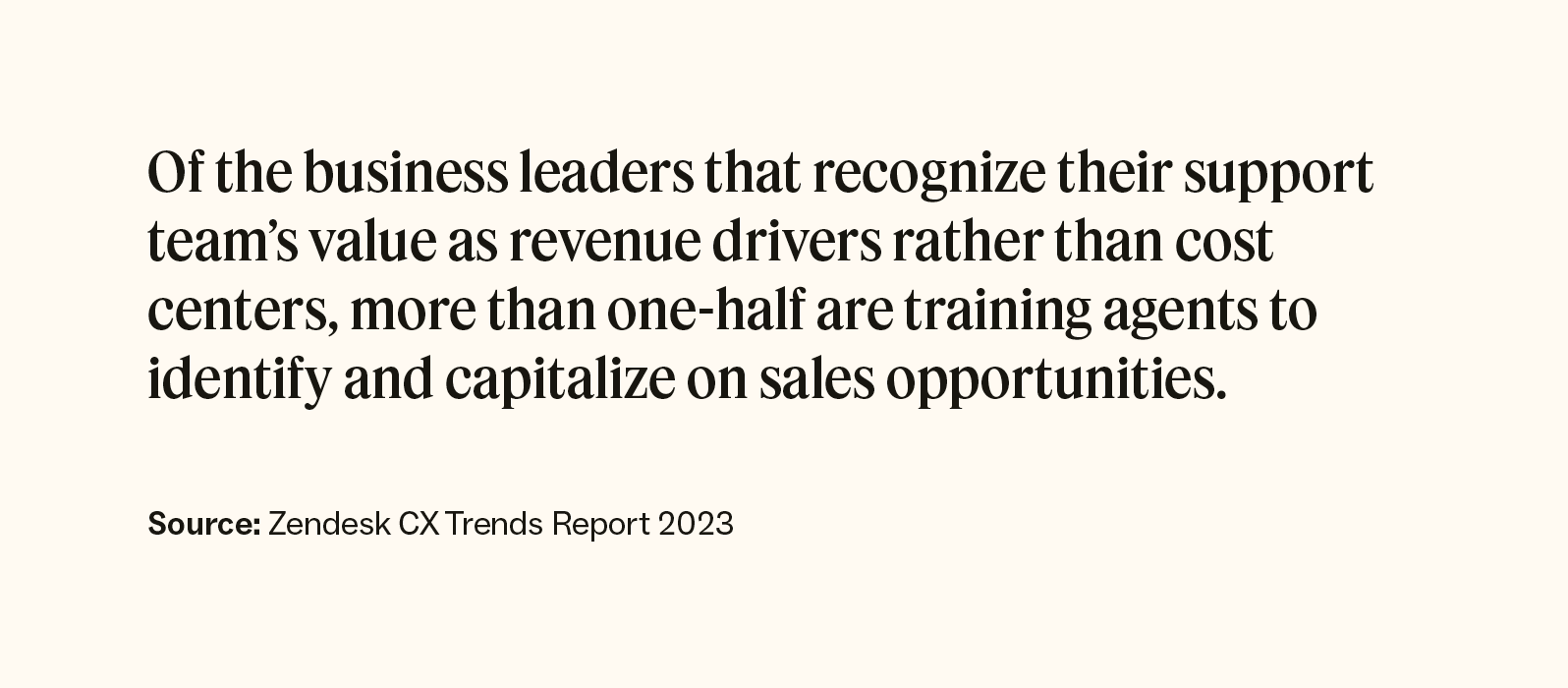
Upselling or cross-selling: Use customer data to share information with customers about the add-ons, upgrades, and additional products that are most likely to be useful to them during customer service interactions. Customer data enables support teams to add personalization to each touchpoint and become high-value revenue drivers.
What are the best channels for personalization?
You can find success through personalization on most social media and messaging platforms. However, some common channels businesses use to optimize the digital experience include:
Website
Mobile apps
Email
Text messages and live chat
Knowledge base
3 successful personalization examples
Now, let’s look at how three Zendesk customers use data to create exceptional customer experiences.
1. GlassesUSA.com
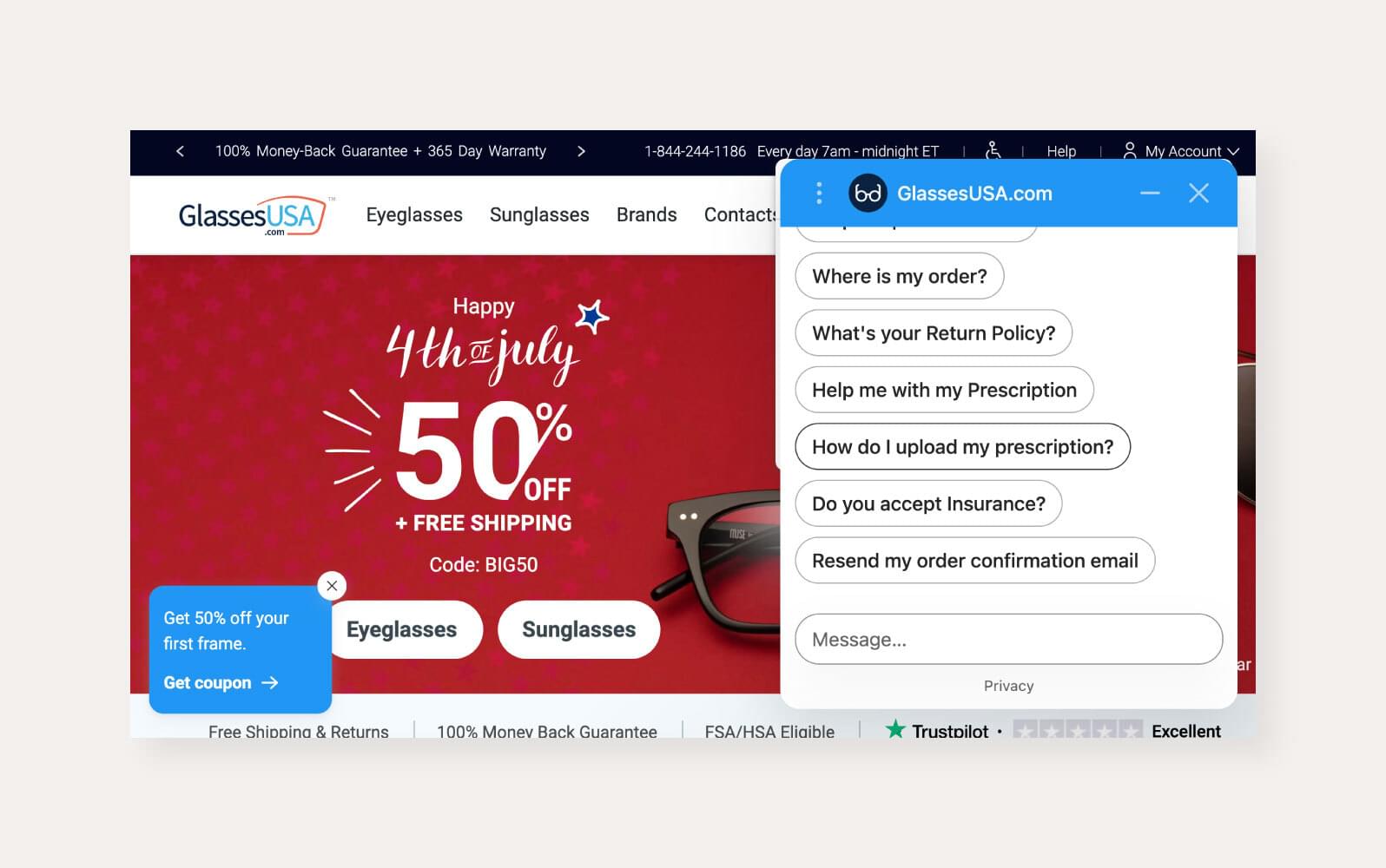
GlassesUSA.com integrated the Ada chatbot with Zendesk to deliver personalized conversations at scale. The glasses retailer’s chatbot can also help customers with their orders, prescriptions, and insurance. Along with hundreds of chatbot flows based on customer data, the bot can answer most simple questions around the clock.
But perhaps more importantly, the chatbot captures key information about the customer, equipping agents with contextual information that helps them prompt meaningful conversations and speed up resolution times.
2. BoxyCharm by IPSY
BoxyCharm by IPSY is a popular makeup subscription service that mails users full-sized beauty products to their door each month. The beauty company blends personalization and customization to provide a novel customer experience and introduce subscribers to buzzworthy brands.
Here are a couple of ways IPSY impresses with personalization:
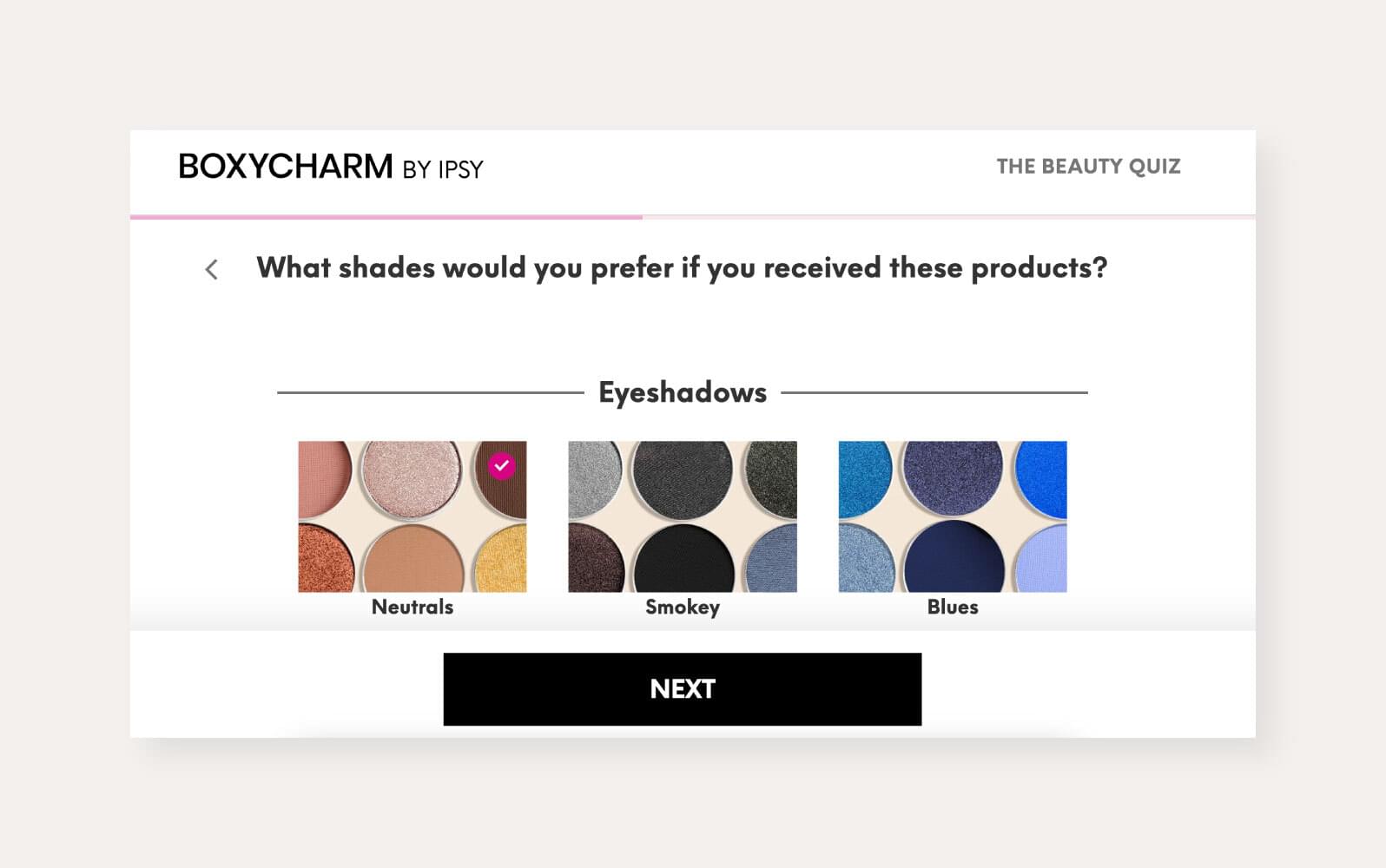
Interactivity: Users take the Beauty Quiz so BoxyCharm can send the best, most relevant products to customers. Also, with access to social messaging and customer data, agents are empowered to enrich customer conversations.
Customization: Each month, IPSY allows BoxyCharm subscribers to handpick a deluxe product to put in their Glam Bag.
3. Upwork
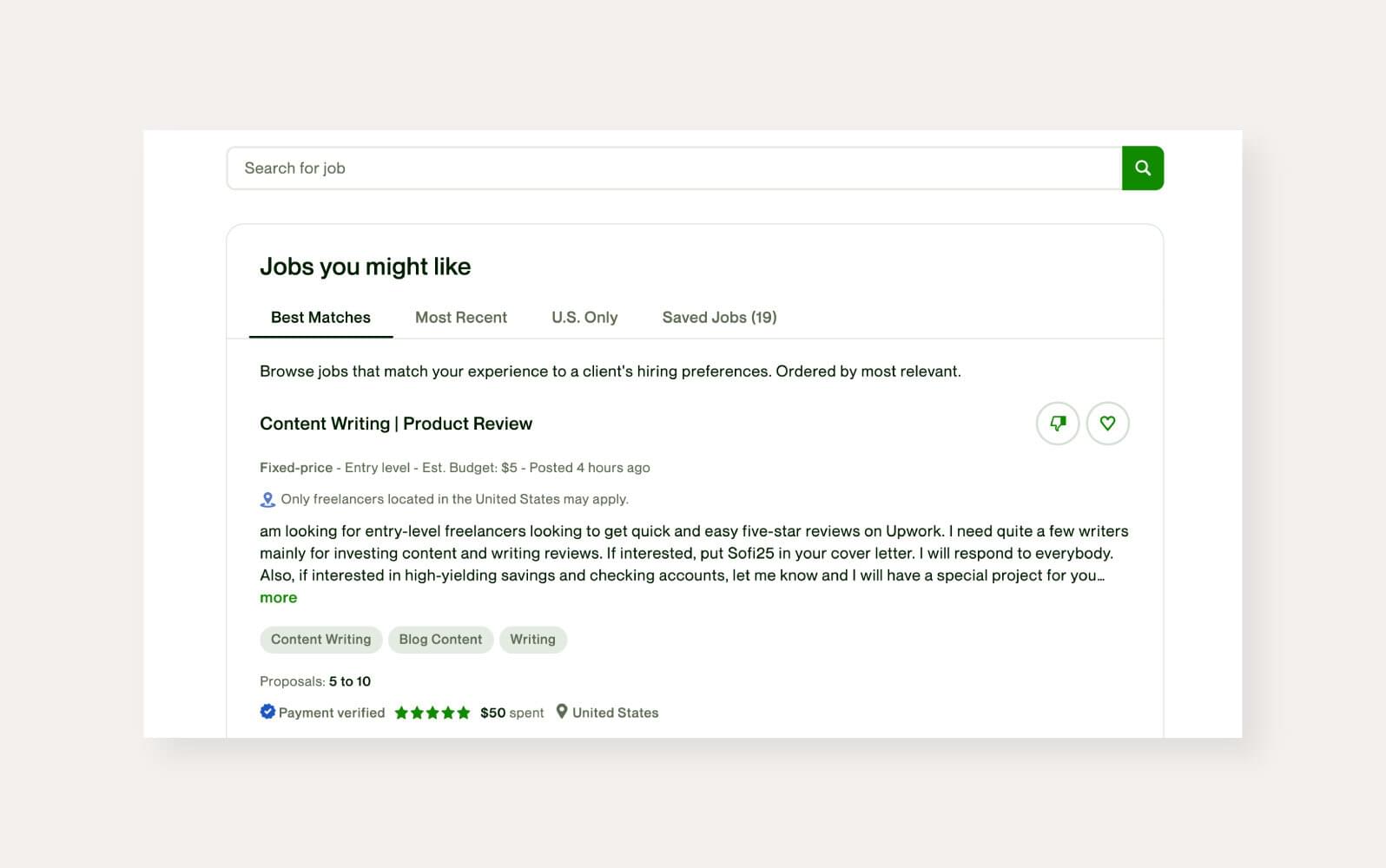
Upwork, a popular freelancing platform, shares a personalized job feed with freelancers so they can quickly apply to the most relevant opportunities.
The platform asks users questions when they create their accounts to collect data about their preferences. Some of these questions include:
Have you freelanced before?
What’s your biggest goal for freelancing?
How would you like to work?
The platform uses freelancer answers to recommend jobs. It also allows for customization, as users can filter openings or toggle between the best match, most recent listings, jobs in their country, and previously saved jobs feeds.
Business administrators can also see best matches based on factors such as experience or pay rate.
Emerging personalization trends
Personalization is evolving beyond basic segmentation into more connected, real-time experiences. Today’s trends focus on balancing relevance with privacy, using data responsibly, and delivering consistent interactions across channels. The following trends highlight how businesses are adapting personalization strategies to meet rising customer expectations.
Frequently asked questions
No, personalization is driven by the business using customer data to tailor experiences, while customization is controlled by the user through settings or preferences. For example, a support agent referencing past interactions is personalization, while a customer choosing notification preferences is customization.
Teams can start personalization by using existing data to recommend knowledge articles, segment audiences, trigger basic messages, and capture context in support forms. These small steps improve relevance without requiring new tools. Starting with what you already have helps build momentum quickly.
Personalization success is measured through CX metrics like CSAT, customer effort score (CES), first response time, resolution time, repeat contacts, and retention. Teams should test changes using A/B experiments and incremental rollouts. Avoid relying on vanity metrics like clicks without improvements in satisfaction or outcomes.
Power personalized experiences with Zendesk
Personalization works best when teams have a complete, real-time view of the customer. Without connected data and shared context, even well-intended interactions can feel fragmented or generic.
The Zendesk Resolution Platform unifies customer context across every touchpoint. Teams can deliver personalized support, anticipate needs, and respond with relevance. With AI-powered insights and a shared workspace, businesses can scale personalization while maintaining consistency and trust.
Mozhdeh Rastegar-Panah
Senior Director, Product Marketing
Mozhdeh Rastegar-Panah is a seasoned customer experience leader and the Senior Director of Product Marketing at Zendesk. With over 12 years at the forefront of customer service innovation, Mozhdeh specializes in translating complex AI and CX technologies into impactful, scalable solutions for global businesses. Her work focuses on elevating customer support through messaging, automation, and omnichannel strategies. She brings a unique blend of strategic vision and hands-on expertise to the future of customer service.
See personalization in action
Explore how Zendesk helps you unify customer context and tailor support across every channel.